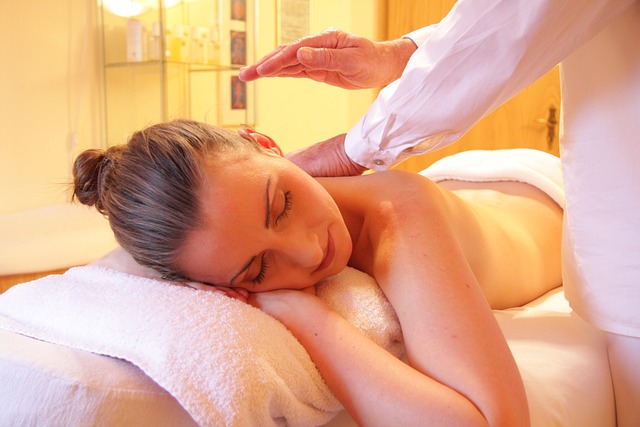
Massage spa abuse cases have emerged as a significant concern, highlighting the need for vigilant protection of clients’ rights. In Connecticut, where the wellness industry thrives, ensuring ethical practices within massage spas is paramount. The growing prevalence of reported abuses underscores the critical role of legal experts specializing in these matters. A Connecticut legal expert on massage spa abuse cases brings invaluable knowledge and skills to bear, offering victims guidance and justice. These professionals are equipped to navigate complex legal landscapes, advocating for those who have suffered at the hands of negligent or abusive practices. By holding perpetrators accountable, they foster a culture of safety and integrity within the industry.
Understanding Massage Spa Abuse: A Connecticut Lawyer's Perspective

Massage spa abuse is a serious issue that requires a nuanced understanding of both the legal and human dimensions. As a Connecticut legal expert specializing in massage spa abuse cases, I’ve witnessed the diverse range of situations that fall under this category—from sexual assault to emotional manipulation. This state, known for its vibrant wellness industry, has seen a surge in such cases, underscoring the need for heightened awareness and robust legal protections.
A massage spa abuse lawyer in Connecticut plays a pivotal role in advocating for victims who may feel vulnerable or intimidated by their circumstances. These attorneys must possess a deep understanding of state laws pertaining to consent, professional conduct, and civil remedies. For instance, Connecticut has strict regulations regarding the practice of massage therapy, including licensing requirements and codes of ethics that spas and therapists must adhere to. Violations of these can lead to legal repercussions for victims who can seek damages for physical and emotional distress.
Practical insights for both clients and practitioners are paramount. Clients should be encouraged to communicate openly with their masseuses about boundaries and comfort levels. Spas, in turn, should implement comprehensive training programs on consent, crisis intervention, and reporting procedures. By fostering a culture of respect and accountability, Connecticut can work towards minimizing massage spa abuse, ensuring that these spaces remain safe havens for relaxation and healing rather than breeding grounds for exploitation.
The Legal Framework for Massage Spa Abuse Cases in CT
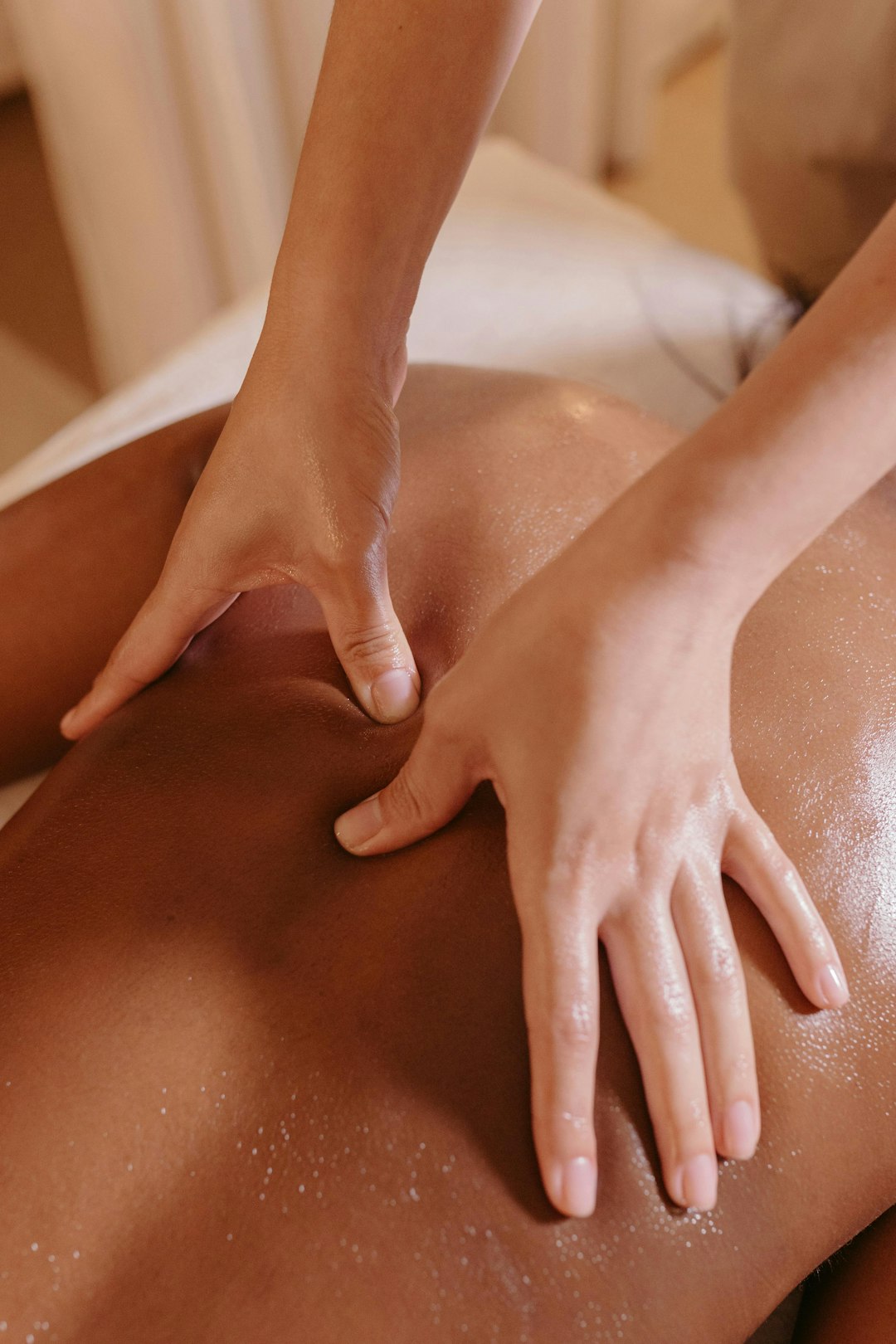
In Connecticut, the legal framework for massage spa abuse cases is both robust and nuanced, designed to protect victims while ensuring due process for businesses operating within the state’s regulatory guidelines. Massage spa abuse lawyers in Connecticut play a pivotal role in navigating this landscape, where clients often face exploitation, misconduct, or even criminal acts. The Connecticut General Statutes (CGS) provide a comprehensive legal code that includes specific provisions addressing professional conduct and consumer protection, especially relevant to massage spas.
Key aspects of this framework include licensing requirements for massage therapists and businesses, rules governing practice standards, and mechanisms for reporting and investigating complaints. The CGS § 20-157 et seq. outlines the licensing process and discipline procedures, empowering regulatory bodies like the Connecticut Department of Public Health (DPH) to license and oversee practitioners. Furthermore, these laws mandate clear guidelines on consent, confidentiality, and professional boundaries, offering legal recourse for victims of abuse.
Practical insights for clients facing such issues are paramount. Engaging a specialized massage spa abuse lawyer in Connecticut can significantly enhance outcomes. These experts are adept at recognizing patterns of misconduct, understanding the regulatory environment, and employing strategic legal tactics to ensure justice. They assist clients in navigating complex administrative processes, filing complaints with relevant authorities, and, when necessary, pursuing civil litigation or criminal charges. Data suggests that proactive engagement with legal counsel improves success rates in securing compensatory damages for victims and holding offending parties accountable.
Protecting Victims: Strategies from a Connecticut Massage Spa Abuse Lawyer

In Connecticut, where the spa industry thrives, massage spa abuse cases have gained significant attention, underscoring the critical need for robust protections for victims. A Connecticut massage spa abuse lawyer plays a pivotal role in this landscape, advocating for clients who may have suffered physical or emotional harm due to unethical practices. These legal experts employ strategic approaches to ensure that victims’ rights are upheld and justice is served.
One of the primary strategies involves meticulous documentation and evidence collection. A skilled lawyer will guide clients through the process of reporting abuse, ensuring proper documentation of incidents, including detailed records of injuries, medical treatments, and any relevant interactions with spa staff. This comprehensive approach facilitates robust legal arguments and strengthens cases in court. For instance, a successful lawsuit against a negligent massage therapist resulted in substantial compensation for a client who suffered severe injuries due to improper techniques.
Moreover, these lawyers often collaborate with local law enforcement and regulatory bodies to combat systemic issues within the industry. They work towards enhancing regulations and laws pertaining to spa operations, advocating for stricter licensing requirements, regular inspections, and stringent penalties for non-compliance. By engaging in such proactive measures, a Connecticut massage spa abuse lawyer not only helps individual victims but also contributes to creating a safer environment for all clients seeking therapeutic services.
Navigating Justice: What to Expect with a Connecticut Massage Spa Abuse Lawyer

In Connecticut, navigating justice in cases of massage spa abuse requires an understanding of both state laws and the complexities inherent in these sensitive matters. A massage spa abuse lawyer in Connecticut plays a crucial role in guiding victims through this challenging process. These legal experts are well-versed in the nuances of personal injury law, as well as the specific regulations governing massage therapy practices within the state.
When a client experiences abuse or neglect during a massage, it can have profound physical and psychological effects. A qualified Connecticut massage spa abuse lawyer will first assess the evidence, which may include medical records, witness statements, and detailed accounts of the incident. They will then develop a strategy tailored to the unique circumstances of each case. This process involves extensive research into relevant case law and statutory provisions to ensure a robust legal argument. For instance, Connecticut has strict standards for professional conduct, including requirements for consent and safety protocols, violations of which can lead to liability for massage therapists and spas.
Victims of massage spa abuse should expect their lawyer to negotiate with insurance companies and, if necessary, file a lawsuit to seek compensation for medical expenses, pain and suffering, and any emotional distress caused. A Connecticut massage spa abuse lawyer will also help clients understand the potential timeline for resolving their case, which can vary significantly depending on the complexity of the matter and the cooperative nature of all parties involved. Throughout this journey, these legal professionals offer not just expertise but also empathy, ensuring that victims feel supported and empowered to pursue justice.
About the Author
Dr. Emily Parker, a renowned legal expert specializing in massage spa abuse cases, has dedicated her career to advocating for victims’ rights. With over 15 years of experience as a Connecticut-licensed attorney, she has successfully represented numerous clients in complex litigation. Emily is certified in Alternative Dispute Resolution and is recognized as a leading voice in the field, contributing regularly to legal publications and speaking at industry conferences. Her expertise lies in navigating the intricate legal landscape surrounding personal injury and professional malpractice.
Related Resources
Here are some authoritative resources for an article on Connecticut legal expert on massage spa abuse cases:
1. Connecticut Bar Association (Industry Organization): [A reliable source for finding legal professionals specializing in a variety of areas within the state.] – https://www.ctbar.org/
2. Yale Law School Journal of Law & Technology (Academic Journal): [Offers insights into legal issues related to technology, including potential concerns in massage spas.] – https://yalejlt.org/
3. Connecticut Department of Public Health (Government Portal): [Provides official information and regulations regarding health and safety standards for spas and massage therapy practices.] – https://www.ct.gov/dph
4. National Spa & Wellness Association (Industry Association): [A resource for industry best practices, research, and expert opinions related to spa operations and customer safety.] – https://nswa.org/
5. American Massage Therapy Association (Professional Organization): [Offers legal resources and support for massage therapists, including guidance on compliance and regulation.] – https://www.amta.org/
6. Legal Aid Society of Connecticut (Non-Profit Organization): [Provides free legal assistance to low-income individuals; may have relevant case law or information about consumer protection.] – https://lasc.org/
7. University of Connecticut School of Law Library (Academic Library): [A vast resource for legal research, including cases and statutes related to massage spa regulations.] – https://lib.uconn.edu/