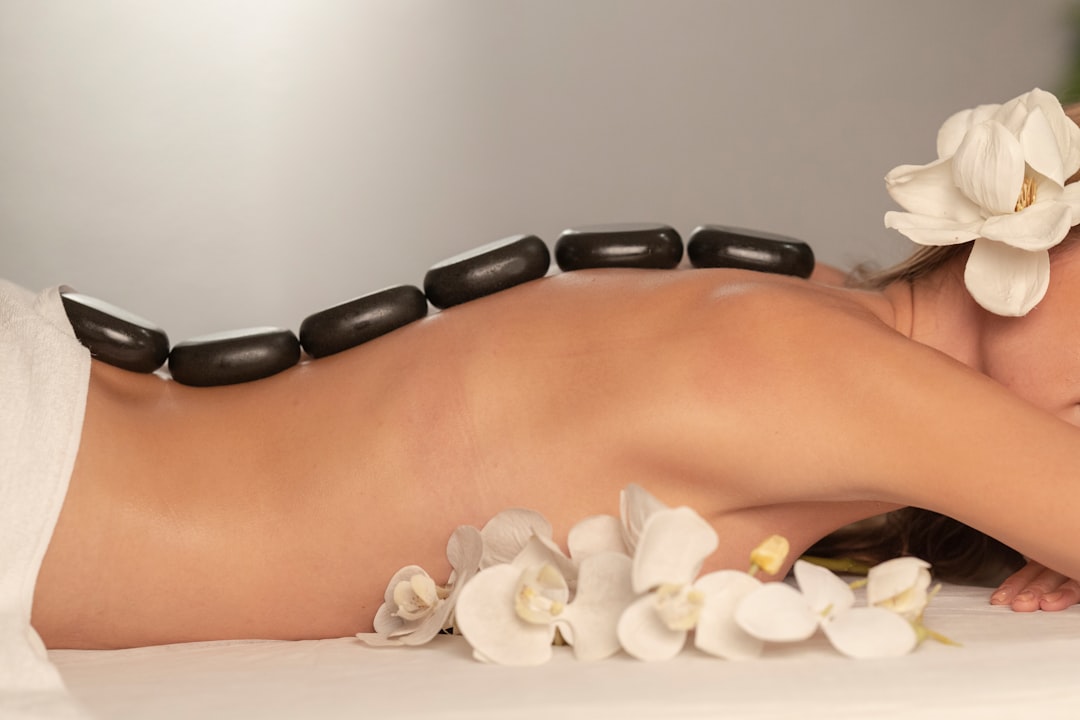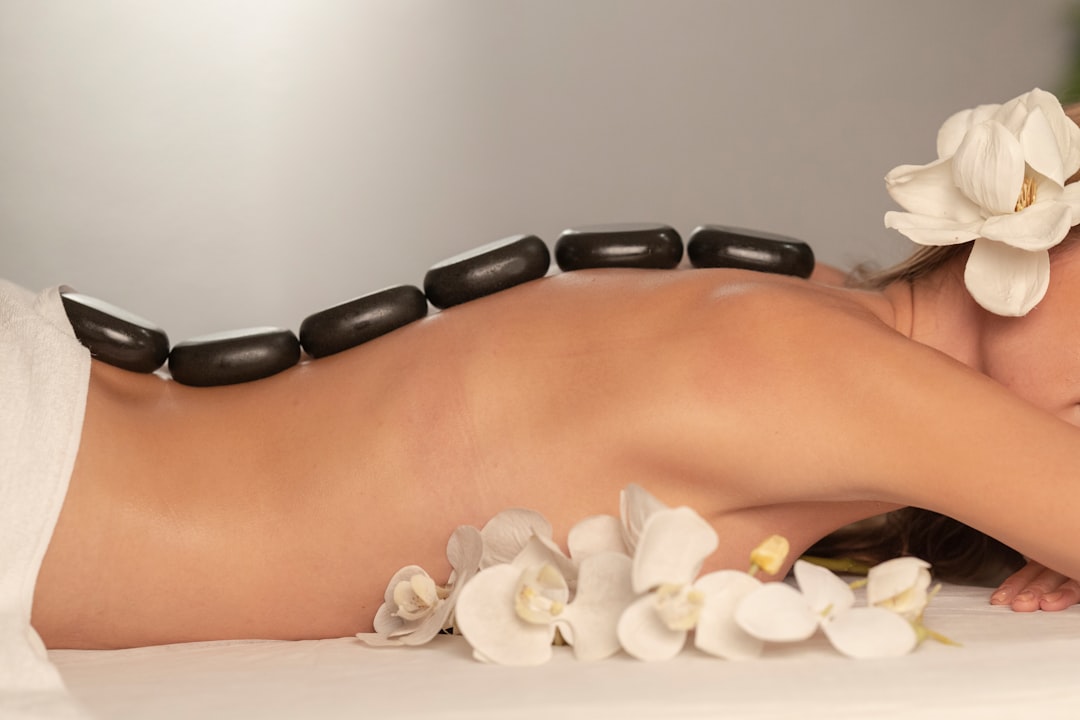
Creating safe spaces in Connecticut massage rooms is crucial to prevent sexual assault. By using human psychology principles, therapists design relaxing environments with soft lighting, warm colors, soothing music, and natural elements. Clear boundaries, lockable doors, and secure storage enhance client safety. Massage businesses must adhere to strict laws, train staff, implement policies, and access legal support from massage sexual assault lawyers Connecticut to foster a culture of safety and respect.
In the tranquil setting of Connecticut spas, creating safe spaces is paramount. This article delves into the psychology behind designing massage rooms that foster relaxation and protect clients from potential risks, especially sexual assault. By understanding human behavior and applying psychological principles, spa designers and operators can cultivate an environment conducive to well-being. We explore essential elements, legal considerations, and the role of massage sexual assault lawyers Connecticut in ensuring client safety without compromising the serenity sought in these sanctuaries.
Understanding Safe Spaces: The Role of Psychology in Design

Creating safe spaces is paramount, especially within intimate settings like massage rooms. Understanding human psychology plays a pivotal role in designing environments that foster relaxation and protect clients from potential harm, including preventing instances of sexual assault.
Through psychological design principles, massage therapists in Connecticut can establish an atmosphere of trust and comfort. This involves considering factors such as lighting, color schemes, sound levels, and even scent to create a sensory experience that promotes a sense of safety and security. By minimizing potential triggers and providing clear boundaries, therapists can contribute to a more secure environment for their clients, thereby enhancing the overall therapeutic experience while also serving as a crucial defense mechanism against sexual assault.
Creating an Environment: Essential Elements for Connecticut Massage Rooms

Creating a safe and comforting environment is paramount in Connecticut massage rooms, especially with the context of preventing potential sexual assault cases. The design should prioritize elements that foster relaxation and create psychological barriers against harm. Soft lighting, warm colors, and soothing music are essential to reduce anxiety and promote a sense of calm. Natural elements like plants or subtle scents can enhance the experience without causing distractions or discomfort.
The physical layout should ensure privacy and minimize opportunities for unauthorized access. Well-designed massage rooms in Connecticut should offer separate entry points, private areas for undressing, and adequate space for both the client and therapist to move comfortably. Additionally, incorporating lockable doors and secure storage for personal belongings can significantly contribute to creating an atmosphere of safety and trust, thereby reducing the risk of sexual assault cases often involving massage therapists.
Legal Considerations: Protecting Clients from Sexual Assault in Spas
Creating safe spaces is paramount in the wellness industry, especially considering the sensitive nature of services like massages. In Connecticut, where spas and massage businesses thrive, it’s crucial to understand legal considerations regarding client protection, particularly from sexual assault. Every establishment must adhere to strict guidelines to ensure a secure environment for their patrons.
Massage therapists and spa owners in Connecticut should be well-versed in state laws pertaining to consent, privacy, and professional conduct. Training staff on recognizing and preventing potential assaults is essential. Moreover, having clear policies and procedures in place, as well as readily available legal support from massage sexual assault lawyers Connecticut, can help businesses mitigate risks and foster a culture of safety and respect for all clients.